Where Clinical Physiology Meets Social Welfare
South Africa's social protection framework relies heavily on medical and physiological evidence when evaluating whether an individual qualifies for state assistance. The South African Social Security Agency, commonly known as SASSA, administers several grant programmes that require applicants to undergo detailed health assessments. These assessments are grounded in the principles of human physiology, from measuring cardiopulmonary function to evaluating musculoskeletal capacity and neurological response.
For researchers at Physiology Research Africa, this intersection between clinical science and public policy represents a critical area where physiological knowledge has a direct impact on the lives of millions. Understanding how physiological parameters are interpreted in a policy context can help improve both the accuracy of assessments and the fairness of grant allocations. South Africans looking for comprehensive information on the various grants and funds available to them can explore resources at GrantZA, which covers the full range of social assistance programmes in the country.
The Physiology Behind Disability Evaluations
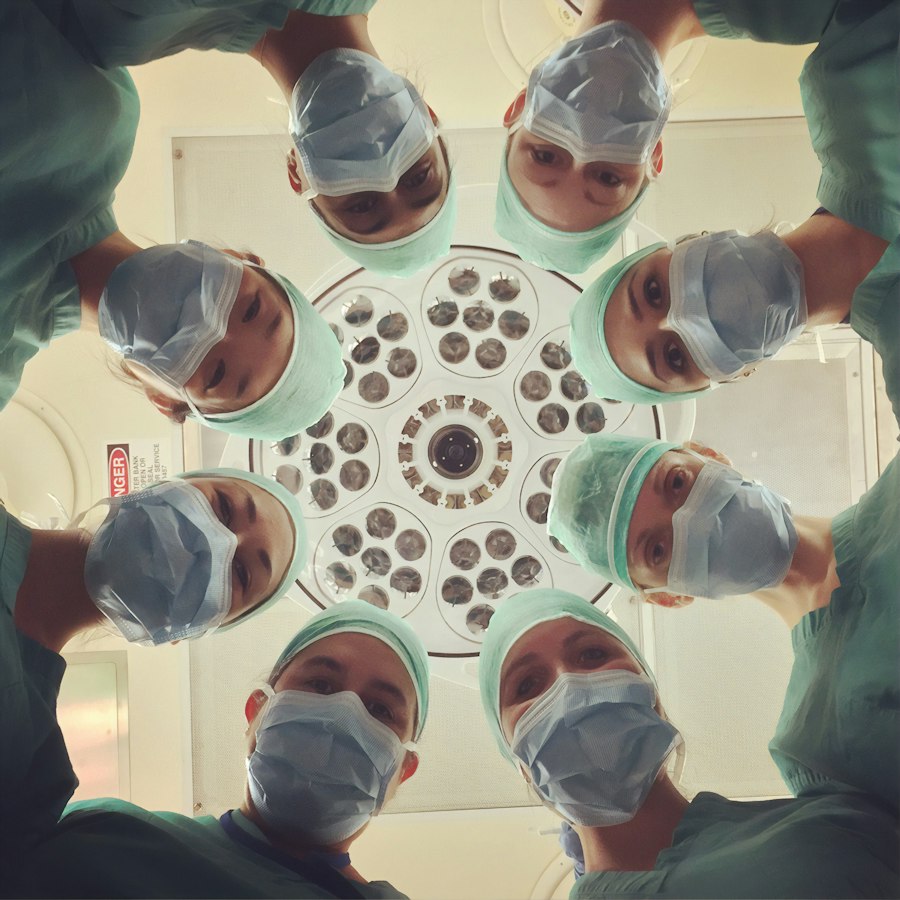
When an applicant submits a claim for the SASSA disability grant, they must be examined by a medical professional who assesses the nature, severity, and expected duration of the disability. This evaluation draws on core areas of human physiology:
- Cardiovascular physiology: Resting heart rate, blood pressure regulation, and exercise tolerance help determine whether a cardiac condition prevents gainful employment.
- Respiratory physiology: Spirometry readings, oxygen saturation levels, and gas exchange efficiency reveal the functional capacity of the lungs.
- Neurophysiology: Reflex testing, nerve conduction studies, and motor function assessments evaluate conditions such as stroke sequelae, spinal cord injuries, and neuropathies.
- Musculoskeletal physiology: Range-of-motion measurements, grip strength, and gait analysis determine physical work capacity.
Each of these assessments translates raw physiological data into a functional profile that decision-makers use to approve or decline a grant application. The better trained the assessor is in applied physiology, the more accurate and fair these outcomes tend to be.
Social Relief of Distress and Population Health
Beyond the disability grant, SASSA also administers the Social Relief of Distress (SRD) grant, which was expanded significantly during and after the COVID-19 pandemic. While the SRD grant does not require a physiological assessment for eligibility, the broader health conditions that drive people toward social relief, such as chronic illness, malnutrition, and occupational injury, are deeply rooted in physiological dysfunction.
Understanding the physiological burden of poverty is essential for designing social protection systems that are both responsive and evidence-based.
Researchers in exercise physiology and metabolic health have documented how food insecurity and sedentary living conditions affect cardiovascular fitness, glucose metabolism, and immune function in low-income communities. These findings underscore the importance of integrating physiological data into social policy planning. Applicants who have applied for the SRD grant can check their SRD status online to stay informed on the progress of their applications.
Strengthening the Evidence Base
One of the challenges identified by our research network is the inconsistency in how physiological assessments are conducted across different provinces. A standardised assessment protocol, grounded in current exercise physiology and clinical physiology literature, could reduce discrepancies and improve trust in the system.
Physiology Research Africa is actively collaborating with public health institutions to develop assessment guidelines that reflect the latest understanding of human biology and are practical for use in resource-limited clinical settings. By bridging the gap between laboratory-grade physiological measurement and community-level health evaluation, we aim to support a grant system that serves South Africans more equitably.
The Road Ahead
As South Africa continues to refine its social protection policies, the role of physiological science in shaping fair, evidence-based outcomes becomes increasingly important. Physiology education programmes must equip the next generation of healthcare professionals with the skills to perform reliable functional assessments, while researchers must continue to investigate how environmental, nutritional, and socioeconomic factors alter baseline physiological parameters in African populations.
The conversation between physiology and policy is not an abstract academic exercise. It is one that determines whether a person living with a chronic respiratory condition receives the support they need, or whether a family facing economic hardship can access emergency relief. Ensuring that this conversation is informed by rigorous, context-specific physiological research is a responsibility that our network takes seriously.